Moving Furniture In Bad Weather Guide
By Movivan | Updated October 2025
Moving furniture in unpredictable or adverse weather conditions requires especially careful planning and execution. When bad weather is involved, that stress often doubles. At Movivan Removals, the most common concern we hear from customers is simple:
“What if it rains and my furniture gets damaged?”
British weather is unpredictable, and rain is by far the biggest worry on moving day. The good news is that moving furniture in bad weather can be done safely — but only if it’s planned and handled properly.
This guide explains how to move furniture during bad weather, with a strong focus on rain, based on what our professional removal teams do every day to protect customers’ belongings.
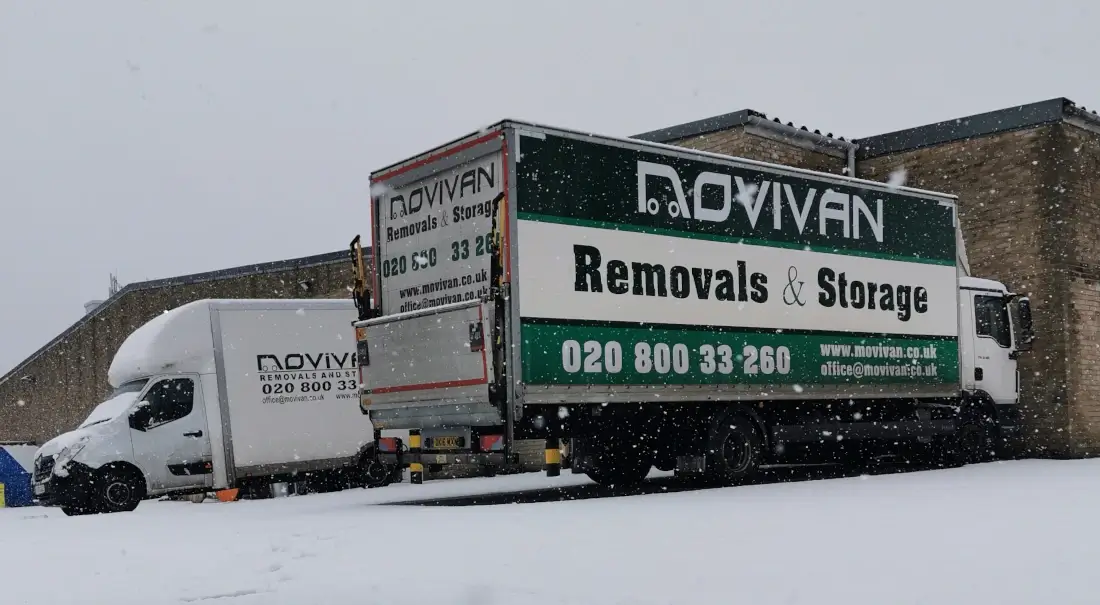
Moving Furniture in the Rain
Rain is the biggest worry we hear from customers — and with good reason. Water can cause lasting damage if furniture is not protected properly. Upholstery absorbs moisture quickly, wooden items can swell or warp, and flat-pack furniture is especially vulnerable once water reaches joints and panels.
From our experience at Movivan, damage on rainy days rarely happens because of the rain itself. It usually happens when furniture is rushed, left exposed outside, or wrapped too late.
If you’re planning a house move in London and worried about bad weather, our experienced house removals team in London can help you plan safely.
When rain becomes a real problem
Rain starts causing issues when it combines with other delays or poor planning. We most often see problems during:
-
Heavy downpours with strong winds
-
Flooded paths or entrances
-
Access delays, such as late keys or unavailable lifts
A common real-life scenario is furniture waiting outside while parking or access is sorted. Even well-wrapped items can be at risk if they are left exposed for too long.
How Movivan teams handle rainy moving days
Rainy days are part of everyday removals in the UK, so our teams arrive prepared. On wet moves, we typically:
-
Position the van as close to the entrance as possible
-
Lay floor protection to keep properties dry and safe
-
Wrap furniture fully inside the property, not outdoors
-
Load items in a planned order so nothing waits outside
If conditions worsen, we slow the pace rather than rushing. Protecting furniture always comes before speed. As an option, we can also provide secure packing service and wrap all the furniture with protective plastic covers.
This approach allows us to move furniture safely even when the weather isn’t ideal — not by fighting the rain, but by working around it.
Check also: How to transport a mattress?
Moving Furniture in Hot Weather
Hot weather creates problems that many people don’t expect. High temperatures affect both furniture materials and the people handling them.
Wood, leather, and laminated furniture can expand or soften in heat. Adhesives used in flat-pack furniture may weaken, increasing the risk of joints loosening during lifting. Packing materials can also behave differently — plastic wrap becomes more flexible, and tape may not stick as well to warm surfaces.
Heat also increases fatigue. Tired hands and reduced concentration make heavy lifting more dangerous. During hot-weather moves, professional movers pace the job carefully, take regular breaks, and stay hydrated. Working more slowly and steadily is safer than rushing and risking damage or injury.
Moving Furniture in High Winds
Strong winds are often underestimated, but they can be just as disruptive as rain or snow. Large furniture items act like sails, especially wardrobes, mattresses, doors, and flat panels.
High winds make it harder to control items when carrying them outdoors or loading them into a van. Sudden gusts can knock furniture off balance, increasing the risk of drops, knocks, or injuries.
In windy conditions, experienced movers:
-
Carry large items with extra control and coordination
-
Adjust lifting angles and walking routes
-
Avoid lifting tall items unnecessarily high
Sometimes this means slowing the move down — but safety and control always come first.
Moving Furniture in Snow and Icy Conditions
Snow and ice introduce two main risks: slips and material damage.
Frozen surfaces make carrying furniture dangerous, even over short distances. A small patch of ice on steps or a driveway can cause serious accidents. That’s why access routes must be cleared before loading begins, including paths, entrances, and stairways.
Cold temperatures also affect furniture. Wood, glass, and decorative finishes become more brittle and less forgiving. Upholstery and leather can stiffen, making items harder to manoeuvre safely.
Professional movers adjust by slowing the pace, improving grip, and maintaining full control during every lift. Rushing in icy conditions almost always leads to problems.
How Our Movers Adapt to Bad Weather
Bad weather is where experience really shows. Our professional removal teams don’t rely on ideal conditions — they plan for the opposite.
At Movivan, our teams adapt by:
-
Bringing the right protection materials
-
Adjusting loading order and routes
-
Managing pace based on safety, not speed
-
Protecting both furniture and property
This flexible approach allows furniture to be moved safely year-round, not just on dry, mild days.