How Much Does It Cost To Move A Safe?
Moving a safe is not the same as moving standard furniture. Whether it's a small home safe, a large gun safe, or a heavy commercial security safe, the cost to move a safe depends on several key factors — including weight, access, equipment required, and distance. In this comprehensive guide, we break down exactly what affects the cost of moving a safe, typical UK price ranges, when specialist safe movers London are required, and how to avoid common mistakes that can lead to damage or injury.
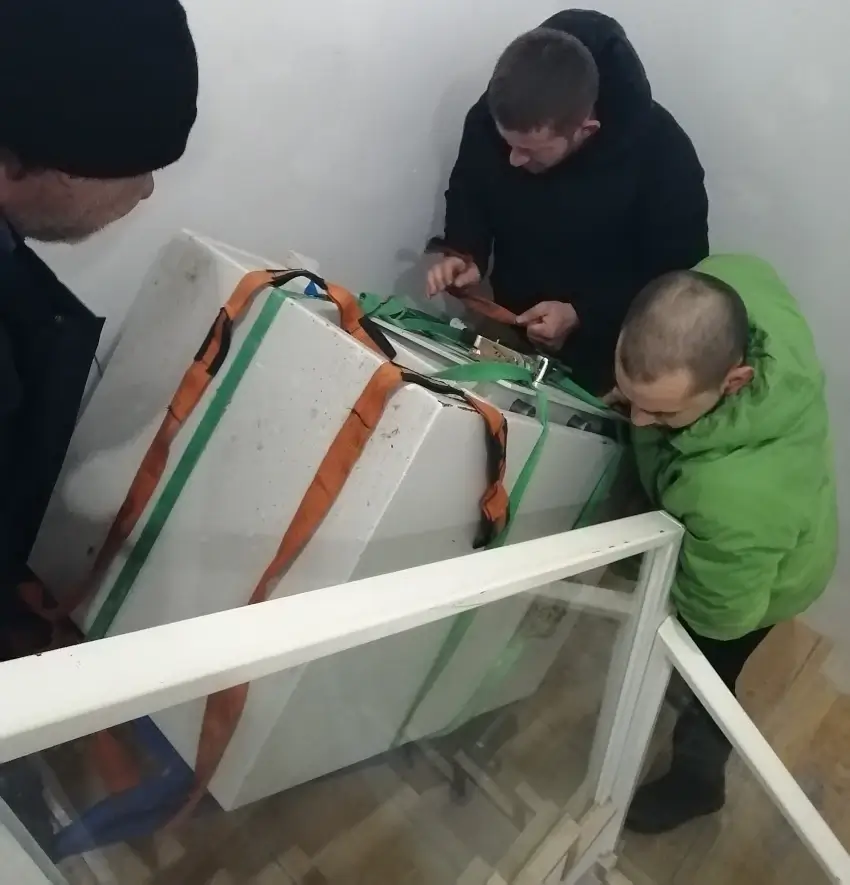
Key Takeaways
- Typical domestic safe costs: £300–£500+VAT for standard ground-floor moves; heavier safes £400–£800+VAT
- Weight determines complexity: Safes under 100kg require standard equipment; 300kg+ safes need specialist lifting systems
- Access is a major cost driver: Stairs, narrow hallways, and lifts significantly increase labour time and equipment needs
- Labour typically dominates costs: Multiple trained movers and controlled handling time accounts for most expenses
- Distance affects total price: Long-distance moves increase transport, fuel, and crew time costs substantially
- Specialist equipment essential: Stair climbers, heavy-duty dollies, and hydraulic systems reduce risk and injury
- Storage moves: Safe relocation to storage facilities follows the same pricing as relocation, with monthly fees separate
- Professional movers required: DIY safe moving risks injury, property damage, and void warranty — always hire specialist safe movers
Table of Contents
Average Cost to Move a Safe in the UK
Typical Price Range for Domestic Safes
For a standard domestic safe weighing between 100kg and 250kg, with ground-floor access at both properties, the typical cost in the UK starts from £300–£500+VAT for a local move. This assumes no stairs involved, clear access routes, and standard equipment sufficient for the task.
Cost to Move a Heavy or Commercial Safe
Heavier safes (300kg–600kg+) increase costs significantly. These may require additional manpower, heavy-duty lifting equipment, structural protection for flooring, and extended loading time. Prices for larger safes commonly fall between £400 and £800+VAT, depending on complexity and access conditions.
London Location Considerations
If you're moving a safe in Central London, additional costs may apply for Central London removals. The Congestion Charge applies to vehicles entering the zone, and busy streets may require parking suspensions and dispensations, which add to the total cost of safe removals in London.
What Affects the Cost of Moving a Safe?
Several practical factors determine the final price. The safe's weight alone is only part of the equation — access conditions, distance, and equipment requirements significantly impact total cost.
Safe Weight and Dimensions
The heavier and bulkier the safe, the more labour and specialist equipment required. Dense safes exert significant pressure on flooring and require controlled movement to avoid structural damage. A small home safe (50–80kg) costs less than a commercial vault safe (600kg+) due to reduced labour and equipment needs.
Access: Stairs, Lifts, and Tight Spaces
Narrow hallways, steep staircases, and tight corners increase labour time and risk. Each additional obstacle increases cost due to slower, more controlled movement. Stairs are one of the biggest cost drivers — moving a safe up multiple flights can double the price compared to ground-floor access.
Floor Level and Structural Challenges
Moving a safe from upper floors requires additional manpower and advanced handling techniques. Elevator access reduces complexity; exterior stairs increase it significantly. Protecting floors and walls from damage also requires additional protective materials and care, adding labour time.
Distance and Travel Time
Transport distance affects fuel costs and crew time. Local moves within London are significantly cheaper than cross-country long-distance removals. A 5-mile move within London costs less than a 50-mile move to the Home Counties or beyond.
Equipment Requirements
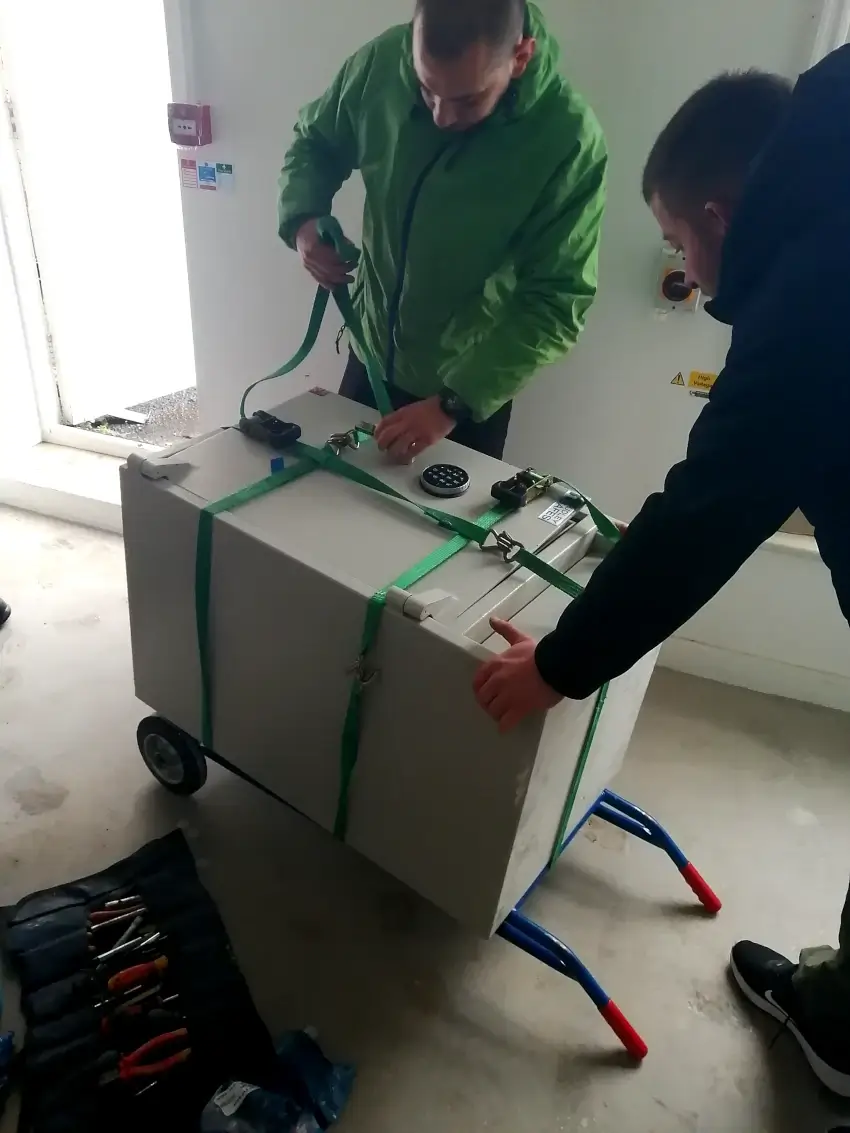
Professional safe relocation may require specialized equipment including stair climbers, heavy-duty dollies, hydraulic lifting systems, and protective floor boards. Specialist equipment increases operational cost but reduces risk of injury and property damage — making it essential for safe moving services.
Insurance and Risk Factors
Due to the potential for injury and property damage, specialist insurance coverage is required for safe removals. Heavier safes present greater liability exposure and require appropriate coverage, which is reflected in pricing.
Labour Costs for Safe Removal
How Many Movers Are Required?
A small domestic safe may require two trained movers. Heavier safes often require three or four personnel for controlled handling. Additional crew members ensure safe movement, reduce injury risk, and allow for more controlled handling of the heavy item, particularly during stairs or tight corners.
Time-Based vs Fixed Pricing
Safe removal is typically priced either as a minimum labour block (e.g., 3–4 hours) or as a project-based fixed fee. The complexity of access often determines which model is used. Fixed pricing offers transparency; hourly pricing may be used when access complexity is uncertain.
Why Heavy Safes Increase Labour Costs
Safes concentrate extreme weight in a small footprint. This increases the physical strain and requires slower, more precise handling — increasing time on site. A 500kg safe moving slowly down stairs takes significantly longer than moving lighter furniture, directly increasing labour costs.
💡 Pro Tip: Provide accurate safe weight and dimensions when getting quotes. This ensures professional safe movers can provide accurate labour estimates and bring appropriate equipment.
Mileage and Transport Costs
Distance affects the final price, particularly once crew time and vehicle requirements are factored in. While labour is often the main cost driver for safe removals, mileage becomes more significant as distance increases.
Local Moves vs Long-Distance Relocations
For short local moves, mileage charges are typically modest, as most of the cost relates to handling and labour. Long-distance relocations increase costs due to higher fuel usage, extended crew travel time, and increased vehicle operating expenses. The further the destination, the greater the logistical overhead.
Fuel and Vehicle Considerations
Heavy safes require suitable load-bearing vehicles. Larger or reinforced vans may be necessary depending on weight and dimensions, which increases transport costs. Heavier loads also raise fuel consumption and mechanical strain on the vehicle, reflected in transport pricing.
Related reading: Learn more about how to move heavy furniture safely.
Cost of Moving a Safe Into Storage
If a safe is being relocated into a London storage facility, the cost remains primarily driven by labour and transport complexity. Typical charges include removal and handling, transport to the facility, and controlled placement on arrival.
Storage duration itself is separate from relocation pricing. If you're planning long-term storage, Movivan offers significant discounts for stays of 6 months or more — making extended safe storage affordable for extended periods (renovations, moves abroad, etc.).
Storage Facility Access Fees
Some facilities charge additional access fees for large items requiring specialized placement. Confirm these with your storage provider before booking to avoid unexpected costs.
Safe Disposal Costs
Safe disposal involves both removal and regulated recycling. Movivan's house clearance services are certified, and we are an official waste carrier in London with registration number CBDU501965.
Recycling and Disposal Fees
Disposal centres usually charge between £60 and £120+, depending on weight and material composition. Heavier reinforced safes may incur higher fees due to specialized handling requirements.
Why Disposal Increases Cost
Total disposal cost includes labour to remove the safe, transport to the recycling centre, and facility disposal charges. Some centres classify heavy safes as specialist waste, which can raise fees. Professional disposal ensures proper environmental handling and eliminates liability.
DIY vs Professional Safe Moving: Is It Worth the Risk?
Equipment Most Homeowners Don't Have
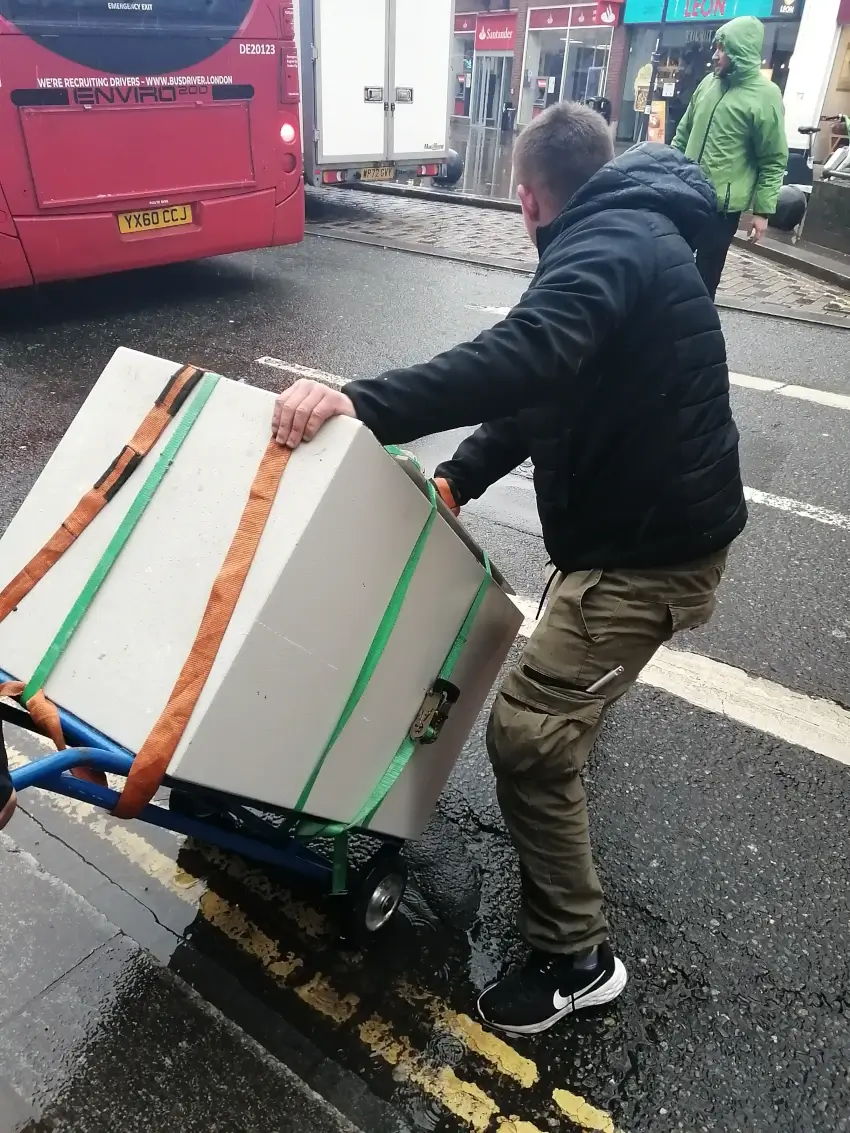
Professional safe relocation often requires heavy-duty stair climbers, industrial dollies, and hydraulic lifting systems — equipment rarely available for domestic use. Without proper equipment, moving a safe becomes dangerous and increases damage risk.
Injury and Property Damage Risk
Safes concentrate extreme weight in a small area. Improper handling can result in back injuries, crushed fingers, damaged floors, or cracked stairs. Professional safe movers London carry insurance covering these risks; DIY attempts do not. A single injury or floor damage can cost far more than professional safe removals.
When DIY Might Be Realistic
A small safe under 80kg with clear ground-floor access and minimal obstacles may be manageable with help from friends. Heavier safes or any stair access significantly increase risk and complexity — professional service is strongly recommended.
⚠️ Important: Moving a safe without proper equipment risks personal injury and property damage. Professional safe movers have training, equipment, and insurance. The cost of hiring professionals is typically far less than medical bills or repair costs.
Example Safe Moving Cost Scenarios
Scenario 1: 200kg Safe – Ground Floor to Ground Floor (5 miles)
Estimated cost: £280–£350+VAT
Assumptions: Clear access, no stairs, standard labour (2 movers), minimal equipment needed, local London move.
Scenario 2: 400kg Safe – One Flight of Stairs
Estimated cost: £450–£650+VAT
Assumptions: Stair access requires additional labour (3 movers), protective equipment, slower handling, increased time on site.
Scenario 3: 300kg Safe – 80 Miles Transport
Estimated cost: £500–£750+VAT
Assumptions: Long-distance transport, extended crew time, fuel surcharge, vehicle operating costs increase significantly.
Scenario 4: 150kg Safe – Moving to London Storage Facility
Estimated cost: £200–£350+VAT (move only; storage fees separate)
Assumptions: Ground floor access, short distance, professional storage facility placement.
Note: These are illustrative examples. Final cost depends on specific access conditions, weight, equipment requirements, and your exact location. Always get multiple quotes from professional safe movers for accurate pricing.
FAQs About Safe Moving Costs
For a 300kg safe, costs typically range between £350 and £600+VAT, depending on access and distance. Stairs or narrow entry points increase labour time and pricing. If your safe is in a difficult-to-access location, costs may exceed this range.
Safes are dense, heavy, and high-risk items. They require specialist equipment, controlled handling, appropriate insurance coverage, and trained personnel — all of which increase operational cost significantly compared to moving standard furniture.
Not all companies handle safes due to liability and equipment requirements. Specialist lifting experience and appropriate insurance coverage are often necessary for heavier units. Always confirm that your moving company specializes in safe removals before booking.
Professional operators typically carry liability insurance for safe transport. It's important to confirm coverage limits and what's included before booking. Your homeowner's insurance may also provide some coverage — check your policy details.
Professional quotes should include labour costs, transport, specialist equipment, insurance coverage, and any additional fees (stairs, parking, etc.). Always ask for a detailed breakdown to understand what's included and identify any additional charges.
Moving a safe yourself risks serious injury, property damage, and potential warranty voidance. The cost of hiring professionals is typically far less than medical bills, repair costs, or replacing a damaged safe. Professional service is strongly recommended.
Book at least 2–3 weeks in advance to ensure availability and get accurate quotes. For complex moves (multiple stairs, tight access), earlier booking allows time for detailed planning and equipment arrangements.
Professional safe movers can often assess weight based on the safe model. Provide the manufacturer and model number, or they can perform a site survey to determine exact weight and access complexity for an accurate quote.
When to Hire Professional Safe Movers
Benefits of Professional Safe Moving Services
Hiring professional movers is particularly valuable for moving safes, especially large and heavy items. Here's why expert safe removals London services are worth the investment:
- Proper equipment: Professional movers have stair climbers, dollies, straps, and jacks designed for heavy safes
- Expert handling: Trained staff know the correct way to move each safe type safely
- Insurance protection: Full coverage for damage during moving and storage
- Time efficiency: Professional movers work faster with less risk than DIY attempts
- Property protection: Specialist techniques prevent floor, wall, and door damage
- Peace of mind: Professional credentials, certifications, and liability coverage protect you
- Accurate pricing: Experienced movers provide realistic quotes avoiding budget overruns
Movivan's Professional Safe Moving Services
Movivan Removals offers expert safe moving services and house removals throughout London and the UK. Our team uses specialized equipment and techniques to ensure safe transport and storage of safes. We provide professional packing, protective wrapping, safe transport in climate-controlled vehicles, secure storage options, insurance coverage, detailed inventory, and safe retrieval and delivery.
Need Professional Safe Movers in London?
Let Movivan handle the safe relocation with our professional moving services. We've safely transported and stored thousands of safes across London and the UK. Our team ensures proper preparation, secure transport, protective handling, and careful delivery to your new location or storage facility. Get a free, no-obligation quote from specialist safe movers today.
Get a Free Safe Moving Quote 📞 Call 020 800 33260