Storage Containers And Self Storage Units Difference
by Movivan | June 2024 | Updated Feb 2026
Choosing between storage containers and traditional self-storage units isn’t just about price or convenience — it’s about how your belongings are handled, stored, and protected over time. While both options solve the same problem, they operate in fundamentally different ways.
This guide explains the real-world differences between container storage and self-storage units, based on how these solutions are actually used in London — not marketing claims.
What Is Container Storage?
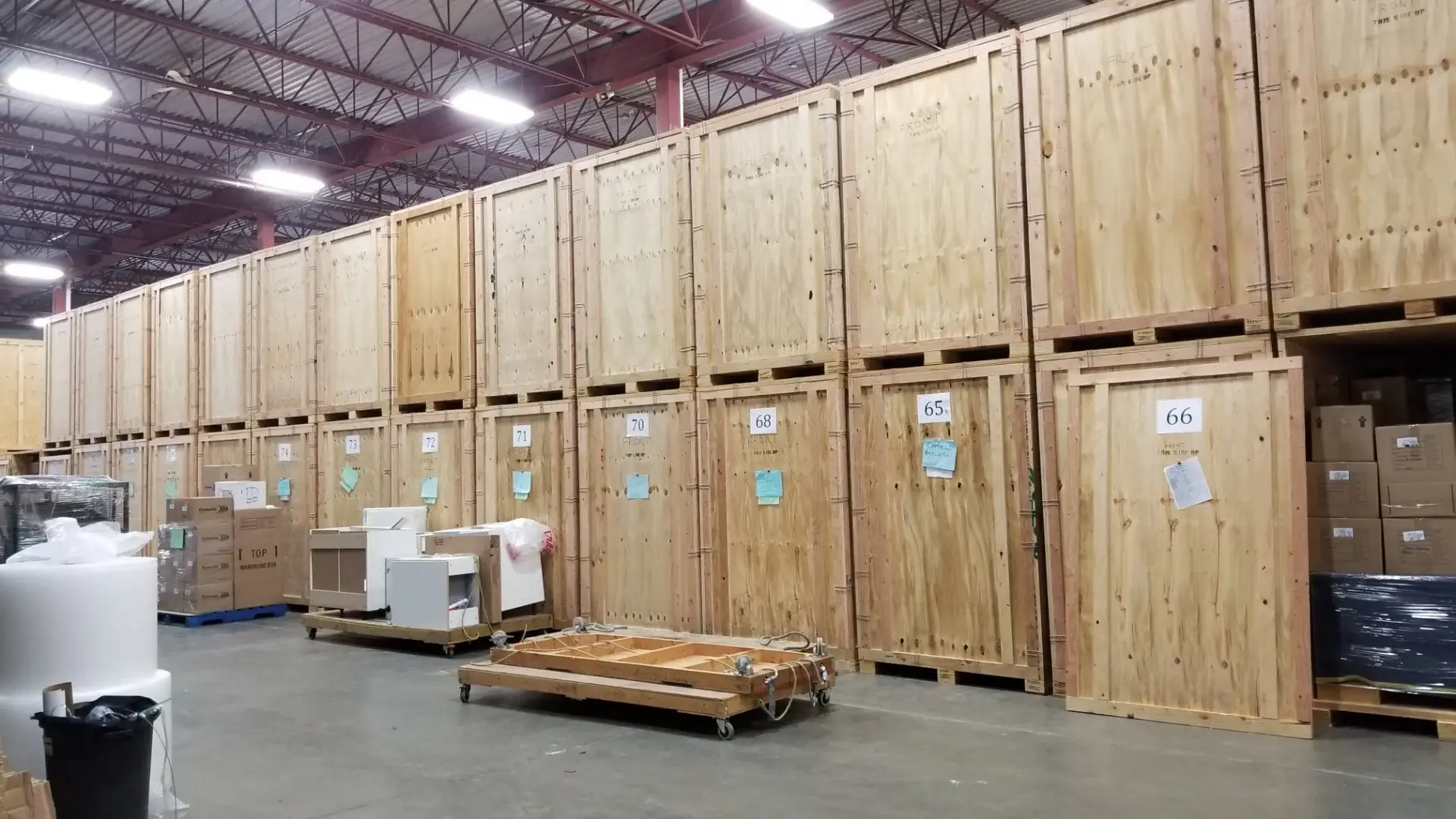
Container storage is a managed storage solution where your items are loaded into a dedicated container and stored securely in a professional facility. Unlike self-storage, customers do not rent a room and manage access themselves — the storage provider handles the entire process.
Wooden Storage Containers (Storage Vaults)
Wooden storage containers, often called storage vaults or pods, are commonly used by professional storage companies, that also provide collection and deliveries. They are designed specifically for household and furniture storage.
Key characteristics:
-
Made from reinforced wood panels
-
Designed for indoor warehouse storage
-
Loaded once and sealed until redelivery
-
Handled only by trained staff
-
Commonly used for moves, refurbishments, and medium-term storage
Because items remain in the same container throughout the storage period, they are not repeatedly handled or moved, reducing the risk of damage.
Shipping Containers
Shipping containers are steel containers originally designed for freight transport. In storage, they are typically used for external container storage.
Key characteristics:
-
Steel construction
-
Often stored outdoors
-
Suitable for robust, non-sensitive items
-
Less ideal for furniture or moisture-sensitive belongings unless modified
In professional storage operations, shipping containers are often used as part of a controlled storage system, not as standalone DIY units.
What Are Self-Storage Units?
Self-storage units are fixed rooms located inside purpose-built storage facilities. Customers rent a specific unit size and are responsible for transporting, loading, and accessing their own belongings.
Typical features:
-
Metal or concrete construction
-
Individual locked units
-
Customer-controlled access
-
Monthly rental model
-
Optional climate-controlled upgrades
Self-storage is essentially a space rental, not a managed service. The responsibility for packing quality, stacking, and access decisions rests entirely with the customer.
Key Differences Between Storage Containers and Traditional Self-Storage
According to industry data, items handled multiple times are significantly more likely to be damaged, particularly large furniture and appliances. Container storage minimises this risk by keeping items sealed and stationary.
The main distinction between these two options is how the storage process is managed.
Storage Containers
-
Handling is fully professionally managed from collection to storage
-
Items are loaded once and remain sealed until redelivery
-
Transport to and from the storage facility is included
-
Access is arranged in advance, limiting unnecessary handling
-
Reduced risk of damage due to minimal movement
-
Best suited for storing furniture and full household contents
Self-Storage Units
-
Handling is customer-managed, including loading and stacking
-
Items are often handled multiple times during the storage period
-
Transport is the customer’s responsibility
-
Access is typically 24/7, allowing frequent entry
-
Risk of damage depends heavily on how items are packed and moved
-
Best suited for situations requiring frequent or immediate access
Check also: How to store your mattress?
Why Using Container Storage Might Be the Better Choice
Container storage is often the better option when condition, efficiency, and risk reduction matter more than walk-in access.
Key advantages:
-
Items are packed once and left untouched
-
No need to hire a van or make multiple trips
-
Reduced exposure to knocks, re-stacking, and user error
-
Better suited for furniture, appliances, and long-term storage
-
Predictable pricing based on space used, not room size
Industry surveys show that over 60% of self-storage users underestimate the space they need, leading to wasted cost or cramped stacking. Container storage avoids this by charging for actual volume used.
When Hiring Self-Storage Is Preferable
Self-storage units make more sense when frequent access is the priority.
Self-storage may be preferable if:
-
You need to access items weekly or daily
-
You are storing small, non-fragile items
-
You prefer full personal control over access
-
You already have transport available
For businesses requiring regular retrieval of stock or documents, self-storage’s 24/7 access can outweigh the downsides of repeated handling.
Check also: How much does storage in London cost?
FAQ: Storage Containers vs Self-Storage Units
Which option is safer for furniture?
Container storage generally results in less handling and less movement, which significantly reduces the risk of damage to furniture.
Are storage containers cheaper than self-storage?
For medium-term storage, container storage is often more cost-effective because you pay only for the space used, not for unused room capacity.
Do self-storage units offer better security?
Self-storage facilities often advertise strong security, but container storage operated within monitored warehouses typically provides equivalent or higher storage security, with restricted staff access rather than public footfall.
Is climate control only available in self-storage?
No. Many professional container storage facilities use temperature-controlled warehouse environments, which protect stored items just as effectively as climate-controlled self-storage units.
Which option involves less physical effort?
Container storage requires significantly less physical effort, as transport, loading, and handling are managed by professionals.
Looking to rent storage space? We provide secured, clean and dry place where you can store your belongings. We can collect and deliver.
Get in touch for a free, no-obligation quote.
Email: office@movivanremovals.co.uk
Tel: 020800 33260