Self Storage Security and Insurance Guide: What to Check Before Storing Your Belongings
Putting furniture, boxes, appliances, artwork, or household belongings into storage is often a practical solution during a move, renovation, downsizing project, or gap between properties. But before your items are collected or placed into a storage facility, there are two important questions to ask: how secure will they be, and what happens if something goes wrong?
Storage is not just about having extra space. It is about protecting the belongings you may not see again for several weeks, months, or even years. That means checking the facility’s security, understanding what insurance is included, declaring the correct value of your items, and preparing everything properly before collection.
This guide explains what to look for before choosing a storage provider, how storage insurance usually works, what may be excluded, and how a fully managed storage service can reduce some of the risks linked with moving and storing household goods.
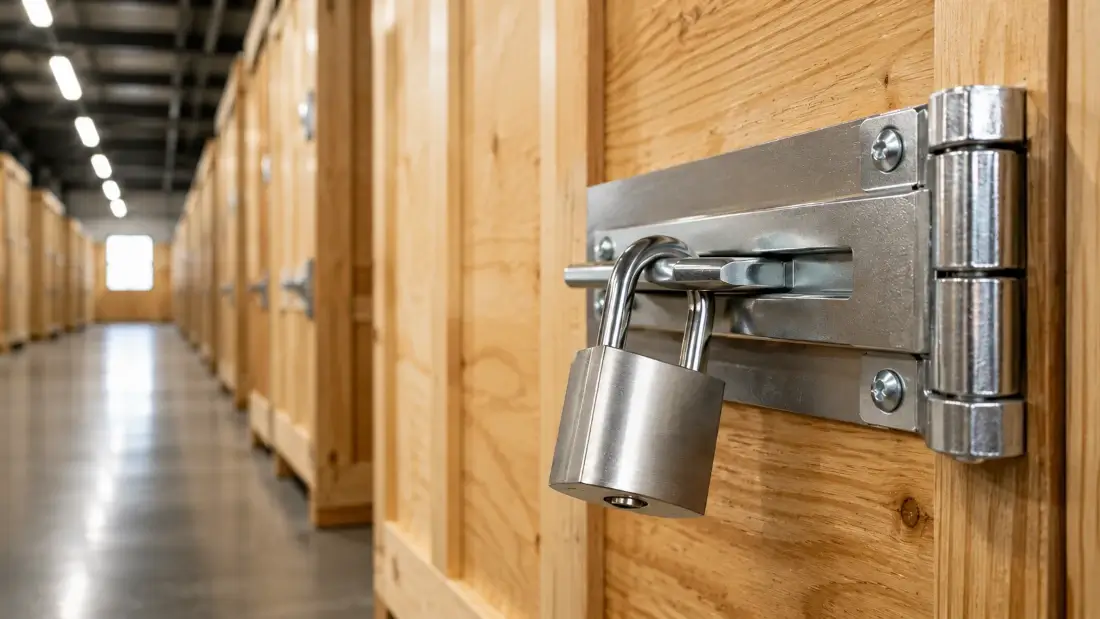
Table of contents
- Why Security and Insurance Matter Before You Use Storage
- Is Self Storage Safe?
- Key Storage Security Features to Look For
- What Is Managed Storage and Why Does It Affect Security?
- What Does Storage Insurance Usually Cover?
- Why Declaring the Value of Your Items Matters
- What Storage Insurance May Not Cover
- Customer-Packed Boxes and Limited Liability
- Does Professional Packing Help With Storage Protection?
- How to Prepare Items Before Storage
- Questions to Ask Before Choosing a Storage Provider
- When Extended Insurance Cover May Be Worth Considering
- Long-Term Storage: Extra Security and Insurance Considerations
- Managed Storage vs Traditional Self Storage: Which Is Safer?
- Final Thoughts: Secure Storage Starts Before Collection Day
- FAQs
Why Security and Insurance Matter Before You Use Storage
Most people think about storage only when they need space quickly. You may be moving house, waiting for a completion date, renovating, travelling abroad, clearing a room, or storing inherited furniture. In those moments, it is easy to focus mainly on cost and availability.
However, price should not be the only deciding factor.
When your belongings go into storage, they may be exposed to several potential risks, including:
- Theft or unauthorised access
- Fire or smoke damage
- Accidental handling damage
- Moisture, damp, or mould
- Pest issues
- Poor packing
- Missing or incomplete inventory records
- Underinsurance due to undeclared item values
A reliable storage provider should be able to explain how your items will be protected, where they will be stored, who can access them, what insurance is available, and what responsibilities remain with you as the customer.
Good storage security reduces the chance of a problem. Good insurance helps clarify what happens if a problem occurs.
💡 Related topic: Storage containers vs. self-storage units guide
Is Self Storage Safe?
Self storage can be safe when the facility is professionally managed, monitored, clean, dry, and properly secured. The level of safety depends on how the provider operates, not simply on the fact that the items are inside a warehouse or storage unit.
Before storing your belongings, you should look for clear answers to questions such as:
- Is the facility monitored by CCTV?
- Are alarms installed?
- Is access controlled?
- Are items stored in locked containers or allocated spaces?
- Is the environment dry and suitable for furniture, electronics, fabrics, and artwork?
- Are inventory records created?
- Is insurance available?
- Are prohibited items clearly explained?
- Who handles the collection, loading, and placement into storage?
A low-cost storage option may seem attractive, but if the facility has weak security, unclear access rules, poor environmental conditions, or limited insurance information, the risk can be much higher.
The safest option is usually one where the storage provider has strong security systems, careful handling procedures, proper records, and clear insurance terms.

Key Storage Security Features to Look For
When comparing storage providers, do not only ask how much space you will get. Ask how your belongings will be protected once they leave your home.
Here are the main security features to check.
CCTV Cameras
CCTV is one of the most important security features in a professional storage environment. It acts as a deterrent and provides monitoring around key access points, loading areas, and storage zones.
A storage provider should be able to confirm whether CCTV is in place and whether the facility is monitored.
Alarm Systems
Alarms provide another layer of protection against unauthorised access. A secure storage facility should have alarm systems that protect the building or key storage areas.
This is especially important if your belongings will be stored for a long time or include valuable furniture, electronics, artwork, or business equipment.
Controlled Access
Not everyone should be able to walk freely into a storage facility. A good provider should have controlled access procedures, meaning only authorised staff or approved customers can enter specific areas.
For managed storage, access is usually arranged by appointment. This can reduce unnecessary foot traffic and limit the number of people near stored goods.
Locked Containers
Where possible, belongings should be stored in secure, locked containers or clearly allocated storage spaces. Container locks help keep each customer’s belongings separated and protected.
This also supports better organisation, especially when the provider keeps inventory records.
Low-Humidity Conditions
A dry, low-humidity environment is important for protecting furniture, clothing, artwork, books, electronics, mattresses, and wooden items.
Moisture can lead to swelling, mould, odours, staining, or damage to sensitive materials. Even if a storage facility is secure from theft, poor environmental conditions can still create problems.
Pest Prevention
A clean, pest-free facility is essential. Pests can damage fabrics, paper, cardboard, upholstery, and stored household goods.
Customers should also avoid storing food, plants, perishable goods, or anything that could attract insects or rodents.
Inventory Records
An inventory helps record what has gone into storage. This is useful for organisation, return delivery, and potential insurance queries.
A good inventory may include item descriptions, box counts, furniture lists, and notes about valuable or fragile items.
Professional Handling
Many storage-related problems happen before the items even reach the facility. Poor lifting, weak boxes, overloaded cartons, and unprotected furniture can all lead to damage.
Using trained staff to collect, load, transport, and store the items can reduce risk, particularly for large furniture, fragile items, TVs, mirrors, artwork, and appliances.
What Is Managed Storage and Why Does It Affect Security?
There is an important difference between traditional self storage and managed storage.
With traditional self storage, the customer usually hires a unit, transports the items, loads the unit, locks it, and returns whenever they need access. This gives flexibility, but it also means the customer is responsible for much of the handling, packing, loading, and arrangement inside the unit.
With managed storage, the provider collects the items, transports them to the facility, places them into storage, keeps records, and returns them when needed. This can be especially useful during a house move, renovation, long-term absence, or furniture storage requirement.
A fully managed service can improve security and reduce risk because:
- Items are handled by trained staff
- Large furniture can be wrapped and protected correctly
- The provider controls access to the facility
- Inventory records can be created
- Items can be placed into storage more carefully
- The customer does not need to hire a van or load the unit alone
- Return delivery can be arranged when the customer is ready
For customers who are storing valuable furniture, heavy items, or fragile goods, managed storage can be a safer and more convenient option than moving everything into a unit without professional help.
Movivan offers a secure managed storage service in London where items are collected, stored, and returned by the team, helping customers avoid the stress of van hire, heavy lifting, and self-loading.
What Does Storage Insurance Usually Cover?
Storage insurance exists to protect belongings against certain risks while they are in storage. The exact cover depends on the provider, the insurance policy, and the information declared by the customer.
Common areas of storage insurance may include:
- Fire damage
- Theft following forced entry
- Accidental damage, depending on policy wording
- Certain types of handling-related damage
- Damage to declared valuable items, where accepted by the insurer
For Movivan customers, storage insurance is provided through an insurance company. The insurance limit is up to £100,000, with no maximum total claim value and no maximum value per individual item, provided the customer declares the value of their belongings correctly and follows the insurance requirements.
Extended cover is available separately for customers who need additional protection or have higher-value items.
Because insurance terms can vary depending on the goods being stored, customers should always confirm the level of cover before collection day.
Why Declaring the Value of Your Items Matters
Declaring the value of your belongings is one of the most important steps before storage.
Insurance is based on the value of the goods being stored. If the value is not declared properly, the cover may not reflect the true replacement cost of the items. This can create problems if a claim is needed later.
Before your items go into storage, you should provide a realistic estimate of the total value of your belongings. You should also highlight any individually valuable items, such as:
- Large TVs
- Designer furniture
- Artwork
- Antiques
- Specialist equipment
- High-value electrical items
- Collectable or fragile pieces
The more accurate your declaration is, the easier it is for the provider and insurer to understand what is being stored and what level of protection may be needed.
If you are not sure how to value your items, make a simple room-by-room list and estimate what it would cost to replace the main pieces.
What Storage Insurance May Not Cover
Storage insurance does not usually mean that every possible item and every possible type of damage is covered. Most insurance policies include exclusions, conditions, and customer responsibilities.
For Movivan storage, TVs and artwork can be covered, but they should be declared and protected properly before storage. However, certain high-value or irreplaceable items are not included, such as:
- Jewellery
- Money
- Gold
- Important documents
- Cash
- Passports
- Legal papers
- Financial documents
These items should not be placed into storage. They should be kept personally, stored in a bank safety deposit box, or protected through a specialist arrangement.
Other common issues that may not be fully covered include:
- Items that were not declared
- Items not listed on the inventory
- Poorly packed customer boxes
- Damage caused by unsuitable packing materials
- Pre-existing damage
- Prohibited items
- Perishable goods
- Items affected by damp because they were already wet or contaminated
- Fragile items packed without suitable protection
Insurance should always be seen as protection against specific insured risks, not as permission to store unsuitable items or pack fragile goods carelessly.
Customer-Packed Boxes and Limited Liability
One of the most common misunderstandings about storage insurance involves customer-packed boxes.
When a customer packs their own boxes, the storage provider usually cannot verify:
- What is inside each box
- Whether fragile items were wrapped properly
- Whether the box was overloaded
- Whether heavy items were placed on delicate items
- Whether the box was already weak or damaged
- Whether items were packed in a way that prevents movement
Because of this, customer-packed boxes are often covered under limited liability.
For Movivan customers, self-packed boxes are covered by limited liability. This means customers should take extra care when packing their own belongings and should consider professional packing for fragile, valuable, or delicate items.
To reduce risk when packing your own boxes:
- Use strong, double-walled boxes
- Do not overload boxes
- Keep heavy items at the bottom
- Wrap fragile items individually
- Fill empty spaces so items cannot move
- Label boxes clearly
- Mark fragile boxes on several sides
- Do not pack jewellery, money, gold, or important documents
- Photograph valuable contents before sealing the box
If you want stronger protection and better handling records, professional packing may be the safer option.
Does Professional Packing Help With Storage Protection?
Professional packing can make a significant difference when items are going into storage.
Many storage-related claims are linked to poor preparation rather than problems inside the facility. A fragile item may break because it was packed loosely. A table may be scratched because it was not wrapped. A mattress may become marked because it was not covered. A TV may be damaged because it was not protected correctly during handling.
Professional movers know how to protect items before transport and storage. This may include:
- Wrapping furniture in protective blankets
- Using bubble wrap for fragile items
- Covering mattresses
- Protecting mirrors and glass
- Using suitable boxes for books, kitchenware, and ornaments
- Labelling items clearly
- Separating fragile and heavy goods
- Dismantling furniture where needed
For valuable, fragile, or awkward items, professional packing can reduce the chance of damage and make the storage process more organised.
This is particularly useful for furniture storage, where sofas, wardrobes, beds, tables, and cabinets may need to remain protected for weeks or months.
For more advice on storing larger household items, see Movivan’s specialist furniture storage service.
How to Prepare Items Before Storage
A secure facility and suitable insurance are important, but customers also have a role to play. Good preparation can reduce risk and make the storage process smoother.
Before your belongings are collected, follow this checklist.
Create an Inventory
Make a simple list of the main items going into storage. Include furniture, boxes, appliances, artwork, mirrors, TVs, and any valuable belongings.
If your storage provider creates an inventory, keep a copy for your records.
Take Photos
Photograph valuable or fragile items before collection. Take clear photos of:
- TVs and screens
- Artwork
- Mirrors
- Glass furniture
- Designer furniture
- Antiques
- Existing scratches, dents, or marks
- Box contents before sealing, where useful
Photos can help confirm condition before storage.
Questions to Ask Before Choosing a Storage Provider
Before booking storage, ask the provider clear questions. A reliable company should be able to answer confidently.
Here are useful questions to ask:
- Is the facility monitored by CCTV?
- Are there alarm systems?
- Is access controlled?
- Are items stored in locked containers?
- Is the environment dry and low humidity?
- Are pest prevention measures in place?
- Will my items be collected and stored by trained staff?
- Will an inventory be created?
- What insurance cover is included?
- What is the insurance limit?
- Do I need to declare the value of my goods?
- Are valuable items covered?
- Are TVs and artwork covered?
- Are customer-packed boxes covered?
- What items are excluded?
- Is extended cover available?
- How do I access my items if needed?
- What happens if I need items delivered back early?
- Are there extra charges for collection or return delivery?
- What should I avoid putting into storage?
The answers will help you compare providers properly, not just by price but by safety, responsibility, and service quality.
When Extended Insurance Cover May Be Worth Considering
Basic storage insurance may be enough for many standard household items, but extended cover may be worth considering if you are storing high-value or specialist belongings.
You may want to ask about extended cover if you are storing:
- Expensive furniture
- Large TVs
- Artwork
- Antiques
- Designer items
- Business equipment
- Specialist tools
- High-value electronics
- Large household contents for a long period
Extended cover is especially useful when the declared value of your items is high or when individual items would be expensive to repair or replace.
It is always better to discuss this before the items are collected rather than after they are already in storage.
Long-Term Storage: Extra Security and Insurance Considerations
Long-term storage needs extra planning because items may remain packed away for months or years.
When storing belongings for an extended period, you should pay close attention to:
- Low-humidity conditions
- Furniture wrapping
- Mattress covers
- Pest prevention
- Clear inventory records
- Declared value
- Extended insurance options
- Access arrangements
- Return delivery planning
For customers planning extended storage, Movivan provides long-term storage for extended periods with collection and return delivery available.
Managed Storage vs Traditional Self Storage: Which Is Safer?
The safest option depends on the provider, the facility, and how well the items are packed and handled.
Traditional self storage gives customers more direct access and flexibility. However, it also means customers usually handle transport, loading, stacking, and unit organisation themselves. This can increase the risk of accidental damage if items are heavy, fragile, or awkward to move.
Managed storage is often better suited for people who want a more controlled process. The provider collects the items, moves them professionally, places them into storage, keeps inventory records, and delivers them back when needed.
Managed storage may be a better option if:
- You are storing furniture
- You do not want to hire a van
- You are moving home
- You need temporary storage between properties
- You have heavy or fragile items
- You want professional handling
- You prefer controlled facility access
- You want one company to manage collection, storage, and return delivery
For many households, the reduced handling and controlled access can make managed storage a more secure and convenient choice.
Final Thoughts: Secure Storage Starts Before Collection Day
Choosing storage is not only about finding available space. It is about making sure your belongings are secure, properly recorded, correctly insured, and protected from avoidable risks.
Before booking, check the facility’s security features, ask how access is controlled, confirm whether the environment is dry and suitable, understand the insurance limit, declare the value of your goods, and be clear about exclusions.
A professional managed storage service can make the process easier by handling collection, transport, storage, inventory, and return delivery for you.
If you are planning to store furniture, household goods, or belongings during a move or renovation, Movivan can help with secure managed storage, professional handling, locked containers, CCTV, alarms, low-humidity facilities, inventory records, and insurance cover arranged through an insurance company.
FAQs
Is self storage safe?
Self storage can be safe when the facility has proper security, CCTV, alarms, controlled access, locked containers, dry conditions, pest prevention, and clear inventory records. Customers should also check insurance terms before storing valuable belongings.
Do I need insurance for items in storage?
Yes, it is sensible to have insurance for stored items. Even in a secure facility, risks such as fire, theft, or accidental damage can still exist. Always check what cover is included and whether you need extended protection.
Are my belongings automatically insured in storage?
This depends on the provider and the policy. With Movivan, stored goods can be covered up to £100,000 through an insurance company, provided the customer declares the value of the items and follows the insurance requirements.
What does storage insurance usually cover?
Storage insurance may cover risks such as fire, theft, and certain types of damage, depending on the policy wording. Customers should always ask for the exact terms before storage begins.
What items are not usually covered by storage insurance?
Jewellery, money, gold, cash, passports, legal documents, financial papers, and other irreplaceable valuables are often excluded. These items should not be placed into storage.
Are customer-packed boxes fully insured?
Customer-packed boxes are often covered under limited liability because the provider cannot confirm how the contents were packed. For Movivan customers, self-packed boxes are covered by limited liability, so careful packing is important.
Can TVs and artwork be insured in storage?
TVs and artwork can be covered, but they should be declared before storage and protected correctly. Customers with high-value artwork or expensive electronics should ask about suitable packing and extended cover.
Why do I need to declare the value of my items?
The declared value helps determine the correct level of insurance. If you do not declare the value accurately, the cover may not reflect the true replacement cost of your belongings.
Is managed storage safer than traditional self storage?
Managed storage can reduce some risks because trained staff collect, handle, store, and return the items. It also limits unnecessary access to the facility and can include inventory records and professional protection.
Should I take photos before putting items into storage?
Yes. Taking photos of valuable, fragile, or high-risk items before storage is a good idea. It helps record condition and can support any future insurance query if damage is reported later.
Planning To Store Your Belongings?
Movivan can help keep your belongings protected in clean, monitored wooden storage containers, with inventory records and insurance options available. Get in touch today to discuss your storage needs and arrange a tailored quote.