How to Move Plants Safely: Complete Guide to Packing & Transport
Transporting your beloved plants adds an extra layer of complexity when moving house. Learning how to move plants safely is essential because plants are living, delicate items that can suffer serious damage during transport if not handled correctly. Ensuring plants arrive at your new home healthy and undamaged requires careful planning and practical steps.
Around 74% of the London moves we complete every year include at least a few indoor or outdoor plants. From small succulents to large indoor trees, we've learned exactly what it takes to move plants safely through the chaos of a house move.
In this comprehensive guide, we'll share straightforward, expert-tested tips to help you move plants safely and keep them thriving in their new environment.
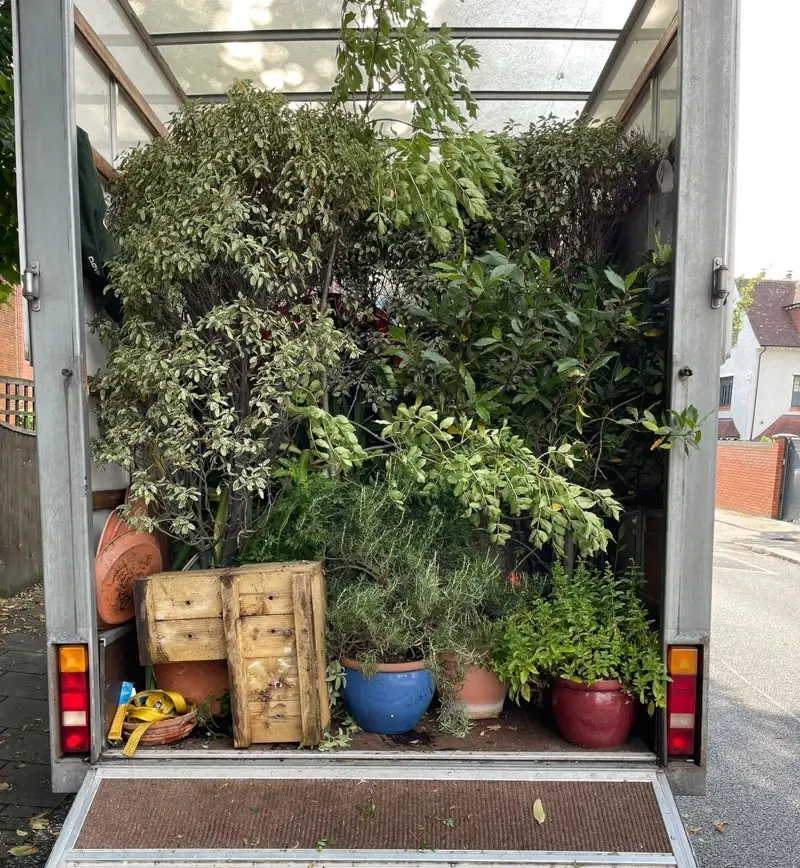
Key Takeaways: Moving Plants Safely
- Pre-move preparation: Water plants 24-48 hours before moving, prune dead leaves, choose sturdy containers
- Packing method: Support stems gently, leave leaves uncovered for airflow, secure soil at base, never seal in boxes
- Transport security: Keep plants upright, position away from heavy furniture, protect from temperature extremes
- Loading strategy: Plants loaded last, unloaded first to minimize time in vehicle
- Temperature protection: Critical in both hot and cold weather — avoid extreme exposure
- Common mistakes: Overwatering, leaving plants in van too long, transporting loose/unsecured
- Professional help worth it: Large plants, tall trees, and long-distance moves benefit from experienced movers
- Post-move care: Wait several days before watering or repotting, place in quiet area away from direct sunlight
Table of Contents
- Why Moving Plants Requires Special Care
- What Types of Plants Can Be Moved Safely
- How to Prepare Plants Before Moving Day
- How to Pack Plants Safely for Moving
- Transporting Plants on Moving Day
- Moving Plants Long-Distance or Extreme Weather
- Common Mistakes to Avoid When Moving Plants
- DIY vs Professional Plant Moving
- What to Do With Plants After Moving
- FAQs About Moving Plants Safely
Why Moving Plants Requires Special Care
Moving plants is fundamentally different from moving boxes or furniture. Plants are living organisms that react quickly to stress, temperature changes, and lack of airflow. This is why safe plant transportation requires specialized handling and careful planning from preparation through post-move recovery.
Why Plants Are Easily Damaged During a Move
Plants can suffer serious damage during moving for several reasons:
- Sudden movement and vibration: Cause broken stems, bent leaves, and root damage
- Dry air inside vehicles: Damages leaves quickly, especially in warm conditions
- Temperature shocks: Cold or hot air exposure can stress plants rapidly
- Crushing risk: Heavier items can easily damage delicate leaves and stems
- Soil movement: Vibration and transport can damage root systems
Even short journeys can cause leaf drop or broken stems if plants are not secured and protected properly.
Why Professional Movers Treat Plants Differently
At Movivan, when handling house removals services, plants are never treated as standard household items. Instead, plants are planned and positioned separately from furniture to reduce stress and damage. This specialized approach to moving plants comes from experience with thousands of relocations.
What Types of Plants Can Be Moved Safely?
Common Houseplants and Potted Plants
Most common houseplants can be moved safely with proper preparation. Plants such as monsteras, peace lilies, ficus, snake plants, and pothos usually cope well if:
- They're kept upright throughout transport
- They're protected from temperature extremes
- They're not left in the vehicle for extended periods
- Short-distance moves are prioritized when possible
Large Plants and Indoor Trees
Large plants and indoor trees present unique challenges because they're heavier and top-heavy. These plants need:
- Secure upright positioning throughout transport
- Extra space in the vehicle
- Light wrapping at base (not tight wrapping from top to bottom)
- Support rather than restrictive wrapping
From experience moving thousands of homes, tall plants are safest when lightly supported rather than tightly wrapped.
Outdoor Plants and Garden Plants
Outdoor plants can be moved, but timing is critical. Cold weather, heat, and soil moisture all affect plant health during transport.
In some cases, especially during winter, moving certain outdoor plants may cause stress or damage that outweighs the benefit. Some customers choose to remove outdoor plants or garden items as part of a professional house clearance before moving.
Check also: How to move heavy items and furniture?
How to Prepare Plants Before Moving Day
The Importance of Plant Preparation
Preparation plays an enormous role in keeping plants healthy during a move. Most plant damage happens because preparation is rushed or done incorrectly. Taking time to prepare properly prevents avoidable damage.
When and How to Water Plants Before Moving
Water plants 24–48 hours before moving day, not on the day itself. This timing is critical because:
- Slightly moist soil keeps plants healthy during transport
- Fully watered plants have heavy, wet pots that are harder to handle safely
- Overwatering can cause root damage during vibration and movement
- Dry soil is too risky and can stress the plant
Lightly moist soil provides the perfect balance between hydration and manageability.
Pruning and Leaf Removal
Remove dead or damaged leaves before moving. This helps plants conserve energy during the move and reduces the chance of leaves snapping or getting caught when plants are moved through doorways and staircases.
Selecting the Right Containers for Transport
Fragile ceramic or clay pots are more likely to crack during a move. Where possible, place delicate pots inside sturdy plastic containers or crates with padding. This provides extra protection while keeping the plant upright throughout transport.
How to Pack Plants Safely for Moving
The Philosophy: Stability, Airflow, Protection
Packing plants correctly is about stability, airflow, and protection — not wrapping them tightly. This is different from how you might pack fragile dishes or artwork. Plants need to breathe and remain supported without being smothered.
Protecting Leaves, Stems and Soil During Packing
Proper packing technique for moving plants:
- Secure the soil at the base to prevent spillage and pot tipping
- Leave the plant itself uncovered so it can breathe during transport
- Gently support stems to stop bending or snapping
- Avoid wrapping the entire plant tightly — this traps heat and moisture, damaging leaves
- Use soft materials like bubble wrap only where absolutely necessary
For customers who prefer extra peace of mind with moving plants, professional packing services can ensure plants are protected correctly as part of the move.
Securing Pots to Prevent Tipping
Plants must always travel upright. Secure pots so they cannot tip over when the van brakes or turns. From thousands of moves, stability is far more important than padding when it comes to plant safety.
Why Plants Should Never Be Packed in Boxes
Critical rule: Plants should never be sealed inside boxes. Lack of air and light damage plants very quickly, even on short journeys. Plants should always travel openly and be positioned for quick unloading.
Transporting Plants on Moving Day
The Most Critical Phase of Plant Moving
Moving day is when plants are most at risk, so careful handling and strategic planning are essential to protect your plants during transport.
Best Position for Plants in a Moving Van
Plants are usually positioned near the front or side of the van, away from heavy furniture where they could be crushed. This placement also allows for quick unloading and reduces time in the vehicle.
Temperature and Ventilation Considerations
Temperature control is critical for safe plant transportation:
- In hot weather: Avoid leaving plants in the van for long periods; temperature rises quickly inside vehicles
- In cold weather: Reduce exposure to cold air when loading and unloading; protect from temperature shock
- Ventilation: Ensure adequate airflow inside the vehicle when plants are traveling
Loading and Unloading Strategy: Last in, First Out
Plants are normally loaded at the end of the move and unloaded first at the new property. This strategy is fundamental to how professionals move plants safely because it:
- Reduces time plants spend inside the vehicle
- Helps plants recover faster once they arrive
- Prevents crushing from other items
- Allows for immediate positioning in their new location
Check also: What size van do I need to move home with plants?
Moving Plants Long-Distance or During Extreme Weather
Long-Distance Plant Moving Challenges
Long-distance moves increase the risk of plant damage significantly. Extended journey times expose plants to prolonged stress, temperature fluctuations, and lack of the immediate care they need.
For long-distance moves, we plan the journey carefully to minimize delays. Plants are secured so they don't move during transport, and in some cases, moving them in a separate vehicle is safer than cramming them in with furniture.
Protecting Plants in Hot Weather
Heat can dry out plants very quickly. In summer, ventilation and quick unloading are essential. Plants can suffer serious damage if left in a hot vehicle for even 30-60 minutes.
Protecting Plants in Cold Weather
Cold temperatures can shock plants and cause leaf damage. In winter, we protect plants from cold air when loading and unloading, and minimize time in unheated vehicles. Protecting plants from temperature shock is critical.
Common Mistakes to Avoid When Moving Plants
Why Knowledge Prevents Damage
Most plant damage happens because of rushing, poor preparation, or treating plants like normal household items. Many of these issues are similar to other house-moving mistakes that can be avoided with better planning. Knowing what to avoid makes a huge difference.
Mistake 1: Overwatering Plants Before the Move
Overwatering is the most common pre-move error. It makes pots much heavier and harder to handle safely. Wet soil can shift during transport, damaging roots and making plants unstable. Lightly moist soil is ideal.
Mistake 2: Leaving Plants in the Van Too Long
Plants should never be left inside a moving van for longer than necessary. Even short delays cause stress, especially in warm weather when temperatures rise quickly inside vehicles. Professional movers always unload plants first.
Mistake 3: Transporting Plants Loose or Unsecured
Unsecured plants tip over easily when vehicles brake or turn. This causes broken stems, spilled soil, and damaged pots. Proper positioning and support keep plants upright and stable throughout transport.
Mistake 4: Forgetting Pre-Move Plant Preparation
Leaving plant preparation until the last minute increases stress for both the plant and the movers. Plants need time to adjust to changes like reduced watering or light pruning. Preparing plants several days before moving helps them cope better.
Should You Move Plants Yourself or Hire Professional Movers?
When DIY Plant Moving Is Fine
If you only have a few small plants and are moving locally, transporting them in your own car can work reasonably well. Keep them upright, secure them so they don't tip, and avoid extreme heat or cold. Short journeys with a few manageable plants are usually low-risk with proper care.
When Professional Plant Moving Is Essential
Large plants, tall indoor trees, multiple flights of stairs, long-distance moves, or numerous plants all increase damage risk significantly. In these situations, long-distance moves especially benefit from professional movers with experience handling plants. They know how to protect plants, control movement, and reduce stress throughout transport.
How Professional Movers Reduce Plant Damage
At Movivan, we plan plant moves carefully and treat them as priority items, not afterthoughts. We position plants securely, limit their time in the vehicle, and handle them gently at every stage. This experience helps avoid the small mistakes that often cause damage.
What to Do With Plants After Moving
Post-Move Plant Recovery is Critical
After moving, plants need time to recover and adjust to their new environment. What you do in the first few days makes a huge difference to how well they settle in.
Where to Position Plants in the New Home
Place plants in a quiet, stable area away from:
- Direct sunlight
- Radiators and heat sources
- Cold drafts and windows
- High-traffic areas where they might get bumped
Avoid moving them around too much in the first few days, as this adds extra stress. Giving plants a calm space helps them recover faster.
Watering and Repotting After Moving
Wait several days before watering or repotting plants after a move. This allows roots to settle and reduces shock risk. Once the plant looks stable, you can return to its normal care routine.
Signs Your Plant Is Recovering
Some leaf drop or wilting is completely normal after a move and doesn't always indicate damage. New growth is a good sign that the plant is recovering well. If leaves continue to yellow or drop substantially, the plant may need more time or a change in light or watering.
FAQs About Moving Plants Safely
Yes, experienced removal companies can move plants safely if they're handled correctly. The key is proper preparation, careful positioning, and limiting time in the vehicle. Following a clear moving home checklist helps ensure plants and other delicate items aren't overlooked.
Plants should stay in a van for as little time as possible. In warm or cold conditions, even 30-60 minutes can cause stress or damage. Professional movers always load plants last and unload first to minimize van time.
Yes, but with extra care. Cold air shocks plants quickly, so protect them from direct cold when loading/unloading. Moving quickly and using insulated transport helps minimize temperature shock.
For small numbers of plants, your own car is often ideal. Cars allow temperature control and let you keep plants visible and accessible. Moving vans work when plants are positioned carefully near the front and unloaded first.
Large, tall, or very delicate plants are the hardest to move. Indoor trees, plants with long stems, plants in heavy ceramic pots, and rare/valuable plants require the most care and are best handled by professionals.
Never seal plants in boxes, never overwater before moving, never leave them unsecured or loose, never wrap them so tightly they can't breathe, and never leave them in the vehicle longer than necessary.
Wait at least 3-5 days after moving before repotting. Allow roots to settle and the plant to recover from transport stress. Once stable, follow your normal plant care routine.
Some wilting is normal after a move. Place the plant in a quiet spot away from direct sun, water lightly if soil is dry, and allow 3-7 days for recovery. New growth indicates recovery. Persistent damage may indicate more serious stress.
Need Help Moving Plants Safely?
Plants are often the most delicate items in a home move. With the right experience and careful handling, they can be moved safely — locally or long-distance. Professional movers who understand plant care make all the difference in keeping your plants healthy during the move.
Let Movivan Help You Move Plants Safely
We've successfully moved thousands of plants across London and beyond. Our team treats plants as priority items and knows exactly what it takes to keep them healthy during transport. From preparation through post-move recovery, we handle every step with expert care.
Get a Free Moving Quote 📞 Call 020 800 33260