Will The Movers Move Things Not In Boxes?
Many customers ask: “Will movers move things not in boxes?” The short answer is yes, but with important caveats. This comprehensive guide explains what items can be moved without boxes, why boxes are essential for most belongings, and how to ensure your move is safe, efficient, and cost-effective using proper packing strategies.

Why Small Items Should Be Boxed During a Move
While movers can technically transport items without boxes, there are significant practical and financial reasons why boxing items for moving is the standard professional practice. Here’s why:
Protection from Damage
Small items are inherently fragile and vulnerable to damage during transit. Loose items can be crushed, scratched, or broken when exposed to the movement and vibration of the moving truck. Boxes with proper cushioning—bubble wrap, packing paper, or foam—create a protective barrier that prevents breakage and preserves your belongings in their original condition.
Efficient Organization and Labeling
Boxed items can be clearly labeled by room and contents. This organization means movers know exactly where to place each box in your new home, and you’ll have a much easier time unpacking. Without boxes, tracking individual items becomes chaotic and time-consuming.
Optimized Space Usage
Boxes stack neatly and efficiently in moving trucks, maximizing available space. This reduces the number of trips needed, saving fuel, time, and ultimately your moving costs. Loose items waste space and create inefficient loading arrangements.
Faster Loading and Unloading
Professional movers can handle multiple boxes simultaneously using dollies and hand trucks, significantly speeding up the loading process. Individual loose items require far more time and labor. This faster process directly translates to lower labor costs.
Reduced Risk of Loss
Small items can easily be misplaced or lost during a move. Boxed items are accounted for during inventory checks at both the start and end of the move, ensuring nothing gets left behind or lost in transit.
Insurance Compliance
Many moving companies require items to be properly boxed as part of their insurance policies. This protects both you and the movers by ensuring all items are transported according to professional standards.
Cost Savings
Boxed moves are faster and more efficient, which means lower hourly charges and fewer vehicle trips. The modest investment in boxes typically pays for itself through reduced moving costs.
💡 Movivan Removals Tip: We offer professional packing services starting from £280+VAT, including full or partial packing, and we can even unpack boxes at your new property and dispose of all packaging materials.
What Items Do Movers Prefer to See Boxed?
Professional movers have specific recommendations about what items should be boxed for safe and efficient transport:
Books and Heavy Items
Books are dense and heavy, requiring small, sturdy boxes that won’t exceed 20kg when full. Heavy items should never be packed in large boxes as they become impossible to lift safely.
Kitchenware and Dishes
Plates, cups, glasses, and utensils must be securely wrapped with bubble wrap and packing paper, then boxed to prevent breakage. Specialized dish boxes with dividers offer extra protection for valuable or delicate dishware.
Small Electronics
Laptops, tablets, external hard drives, and similar electronics should be boxed with proper cushioning to protect them from impact, dust, and moisture during transport.
Fragile Decor
Glassware, vases, artwork, and other delicate decorative items need the protection that boxes provide. Wrapping in soft materials and boxing ensures these items survive the move intact.
Small Appliances
Toasters, blenders, coffee makers, and similar items should be boxed to prevent dents, scratches, and functional damage. Small appliances are also easier to inventory when boxed.
Clothing and Linens
Folded clothing works well in medium-sized boxes. For hanging clothes, wardrobe boxes with built-in rails prevent wrinkles and keep garments ready to wear upon arrival.
Office Supplies and Tools
Stationery, small hand tools, nails, screws, and hardware should be boxed to keep items organized and prevent small pieces from getting lost. Tools are much easier to locate when properly sorted and boxed.
Bathroom Items
Toiletries, especially liquids, should be placed in sealed zip-lock bags first, then boxed. This prevents spills that could damage other items during transport.
Food and Pantry Items
Non-perishable food items should be boxed to prevent spillage and contamination. Boxed food is also easier to identify and organize in your new kitchen.
Toys, Games, and Hobbies
Toys with multiple pieces, games, art supplies, and hobby equipment should all be boxed to prevent loss and damage. Keep all pieces of games and toys together in labeled boxes.
Seasonal Decorations
Christmas ornaments, Halloween decorations, and other fragile seasonal items require careful boxing with appropriate cushioning to prevent breakage and allow easy storage for next year’s use.
Which Items Don’t Need to Be Boxed?
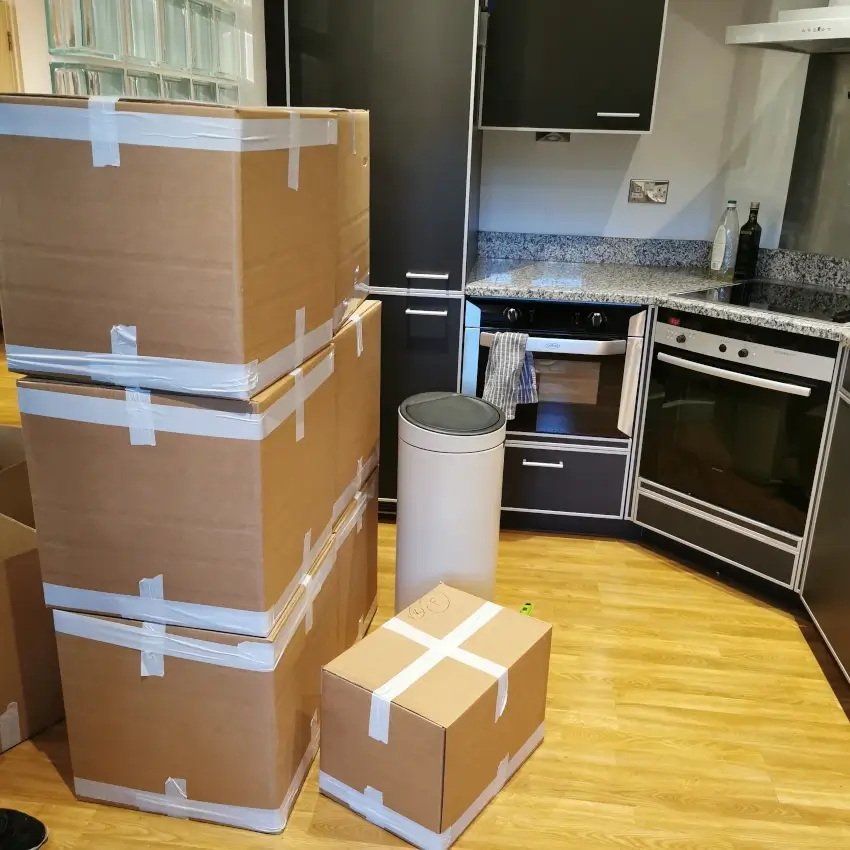
Not all items require boxes. Larger furniture and appliances are better transported using protective blankets, shrink wrap, and specialized padding. Here’s what doesn’t typically need to be boxed:
Large Furniture
Sofas, beds, tables, chairs, and other large furniture pieces are wrapped in protective blankets and moving pads rather than boxed. This prevents scratches and damage while keeping items accessible.
Mattresses
Mattresses are protected with reusable mattress covers or plastic wrapping rather than boxes. These protective covers keep mattresses clean and prevent damage during transport and storage.
Large Appliances
Refrigerators, washing machines, dryers, and ovens are wrapped and protected rather than boxed. These items must be properly disconnected and cleaned before moving, with water drained from relevant connections.
Bicycles and Gym Equipment
Bicycles, exercise bikes, and similar equipment are typically protected with blankets and specialized padding rather than boxed, as they benefit from being visible for careful handling.
Musical Instruments
Pianos and other valuable musical instruments receive specialized padding and protective wrapping from professional movers rather than standard boxing.
Large Mirrors and Artwork
Large mirrors, paintings, and framed artwork are wrapped securely in blankets with cardboard edge protection rather than boxed, as the wrapping method better protects these items.
Plants and Greenery
Potted plants should have water drained and be transported separately from other items. They’re transported with protective wrapping rather than boxes.
Luggage and Suitcases
Existing luggage and suitcases can be packed with items and transported as-is. These containers often serve as efficient moving containers themselves.
Carpets and Rugs
Carpets and rugs are rolled tightly and wrapped with cardboard or blankets rather than placed in boxes. This protects their condition and makes them easier to handle.
Outdoor and Garden Items
Garden tools, outdoor furniture, and similar items are wrapped and protected rather than boxed, with all water drained from tools before transport.
Check also: How to pack electronics for moving guide
Can Movers Transport Items in Bags Instead of Boxes?
While movers can transport items in bags, it’s generally not recommended for several important reasons:
Structural Integrity
Bags lack the rigid structure of boxes, making them prone to tearing, collapsing, and shifting during transport. Items inside are less protected from impact and pressure.
Space Efficiency
Bags cannot be stacked as securely or efficiently as boxes, wasting valuable space in the moving truck. This can result in additional trips and higher moving costs.
Organization and Labeling
While bags can be labeled, they’re harder to organize and track than properly stacked and labeled boxes. The unpacking process becomes significantly more chaotic.
Professional Standards
Most professional moving companies include boxes in their service offerings specifically because boxes provide superior results. Using bags may violate insurance policies or add surcharges.
Best Practice: Use boxes for virtually all small items. If you prefer not to purchase boxes, ask your moving company about renting reusable plastic crates, which are stronger and more sustainable than cardboard boxes.
Types of Moving Boxes and What They’re Used For
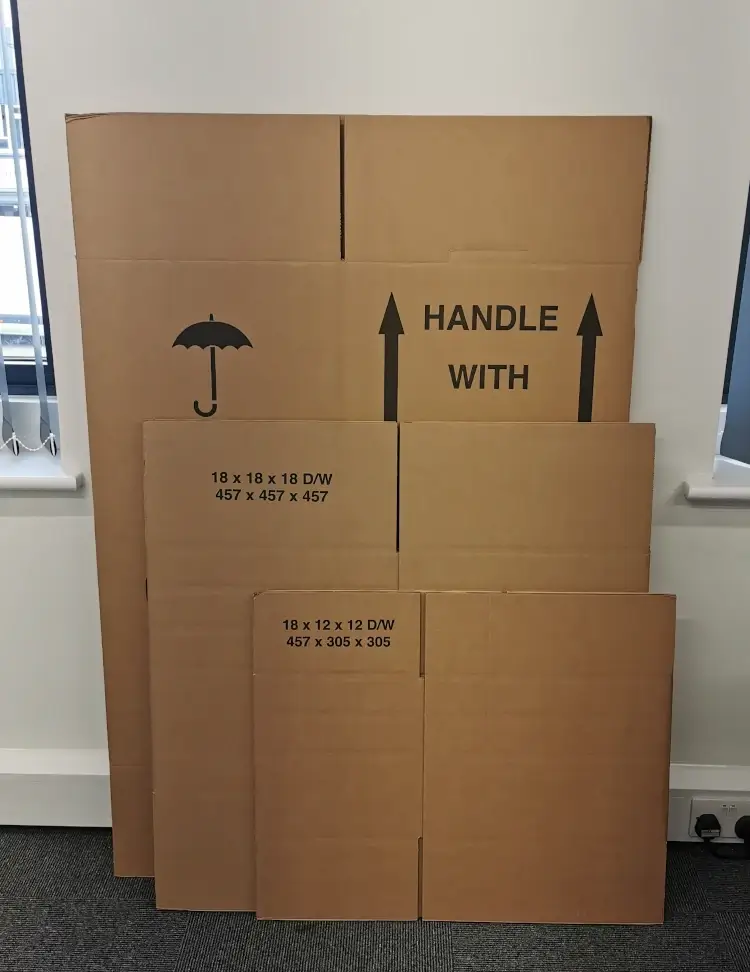
Choosing the right box size and type is critical for a successful move. Here are the most common options in the UK market:
Small Boxes (Book Boxes)
Size: 12″ × 12″ × 12″ (30 × 30 × 30 cm)
Best For: Books, DVDs, tools, tinned food, heavy items
Why: Compact size prevents overpacking; weight remains manageable
Average UK Cost: £1.20–£2.00 per box
Small boxes are essential for heavy or dense items. A full small box packed carefully is still manageable for a single person to lift safely.
Medium Boxes
Size: 18″ × 18″ × 14″ (45 × 45 × 35 cm)
Best For: Kitchenware, toys, small appliances, general household items
Why: Offers flexibility without becoming too heavy when full
Average UK Cost: £2.50–£3.50 per box
Medium boxes are the most versatile and cost-effective option for most household items. They’re the backbone of most residential moves.
Large Boxes
Size: 18″ × 18″ × 24″ (45 × 45 × 60 cm)
Best For: Linens, pillows, lampshades, lightweight decor, clothing
Why: Perfect for bulky but lightweight items
Average UK Cost: £3.50–£4.50 per box
Large boxes should only contain lightweight items. Overfilling with heavy contents creates safety hazards during lifting and transport.
Wardrobe Boxes
Size: 20″ × 18″ × 40″ (50 × 45 × 100 cm) with hanging rail
Best For: Hanging clothes, coats, formalwear
Why: Keeps garments crease-free and ready to wear immediately
Average UK Cost: £10–£15 each
Wardrobe boxes save significant time and effort. Clothes arrive ready to hang, eliminating the need for extensive ironing after your move.
TV and Picture Boxes
Size: Adjustable (fits TVs up to 70 inches)
Best For: Flat-screen TVs, framed artwork, mirrors
Why: Reinforced sides and foam padding protect fragile large items
Average UK Cost: £8–£12 per box
Dish or Glass Boxes
Size: Varies with internal cardboard dividers
Best For: Plates, cups, glasses, delicate kitchenware
Why: Individual compartments prevent chips and cracks
Average UK Cost: £4–£6 per box
Dish boxes are especially worthwhile for valuable or delicate dishware sets that you want to preserve perfectly.
Eco-Friendly Reusable Crates
Material: Sturdy, durable plastic
Best For: Repeated use or commercial moves
Why: Stronger than cardboard and environmentally sustainable
Average UK Cost: Usually rented at £1.50–£3.00 per crate per week
Frequently Asked Questions
Q: Will professional movers refuse to move items that aren’t boxed?
Some movers may charge extra or refuse certain items, but most will transport items not in boxes. However, they’ll strongly recommend boxing for efficiency, safety, and cost savings. Always discuss packing requirements with your moving company in advance.
Q: Do I have to buy new boxes, or can I use old ones?
Used boxes can work if they’re structurally sound and undamaged. However, new boxes are stronger and more reliable. We recommend buying new boxes. Movivan sells and delivers removal boxes and packing materials so that you can prepare for your move.
Q: How many boxes do I need for my move?
The number depends on your home size and the items being moved. Most professionals estimate 20-30 small boxes, 15-20 medium boxes, and 10-15 large boxes for a 2-bedroom home. A moving company can provide a more accurate estimate.
Q: Can I pack boxes as full as I want?
No. Boxes should be packed based on contents’ weight, not just visual space. Heavy boxes should be smaller; light items can fill larger boxes. A good rule: you should still be able to comfortably lift the box with one hand.
Q: What’s the benefit of renting reusable crates instead of buying boxes?
Reusable plastic crates are stronger, more sustainable, and often more cost-effective for moves. They stack perfectly, protect items better than cardboard, and you return them after your move without storage concerns.
Q: Are there items movers absolutely refuse to transport?
Yes. Most movers won’t transport hazardous materials, perishable foods, plants, pets, or items that violate weight/safety regulations. Always discuss prohibited items with your moving company before moving day.
Ready to Move with Confidence?
Whether you need professional packing services or simply want expert advice on preparing your move, Movivan Removals has you covered. Our experienced team ensures every item—boxed or not—is transported safely and efficiently across London and the UK.