
Transporting Artwork When Moving
by Movivan | Created Jan 2024 | Updated Jan 2026
Transporting artwork during a move requires far more care than moving standard household items. Paintings, sculptures, and decorative art pieces often carry high financial, artistic, and sentimental value, and even minor mishandling can result in irreversible damage.
At Movivan Removals, we regularly handle art moving, artwork transportation, and the relocation of paintings for homes, offices, and storage. This guide explains how artwork should be wrapped, handled, and transported safely — and when professional support makes the biggest difference.
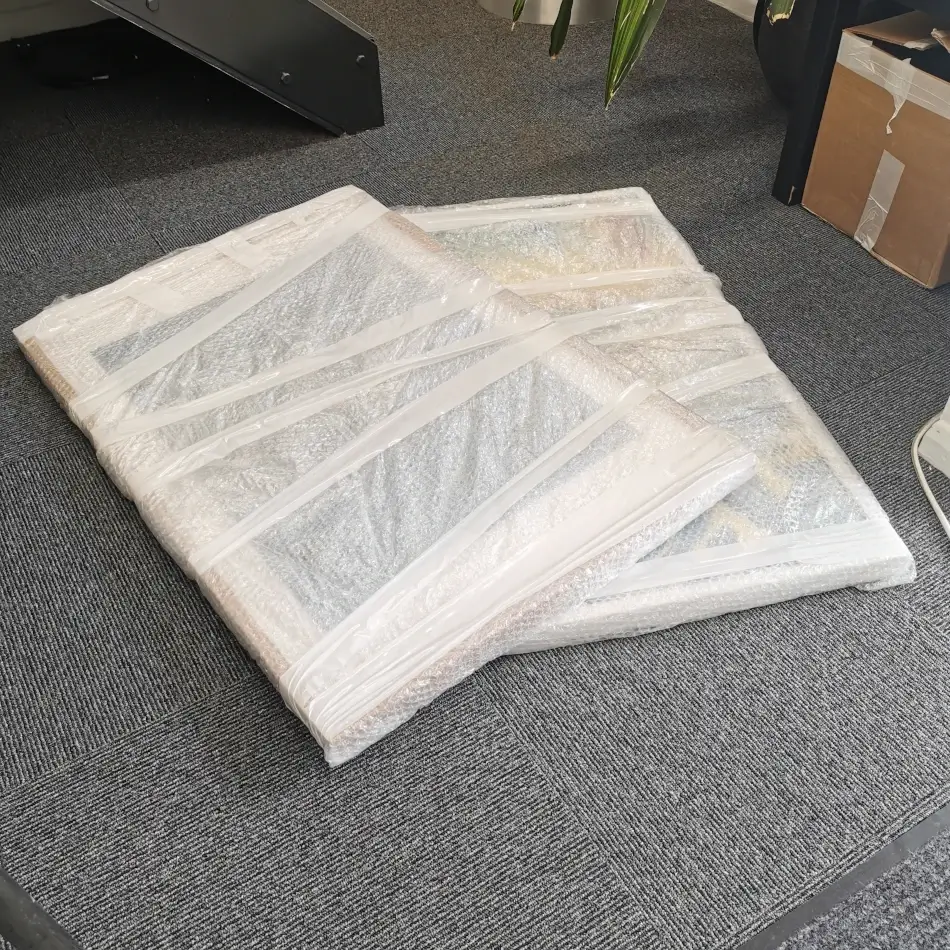
Table of contents
- Why artwork needs special care during a move
- Essential materials for wrapping artwork safely
- How to transport different types of artwork safely
- Step-by-step artwork protection process when moving
- Artwork transport costs – what affects the price
- How to transport artwork into storage safely
- Transporting artwork internationally
- FAQ
Why Artwork Needs Special Care During a Move
Our house movers deal with artwork every day. We know how fragile and delicate moving paintings, sculptures or any other artwork can be depending on the materials they are made of.
Artwork is often made from sensitive materials such as canvas, oil paint, glass, ceramics, textiles, or mixed media. These materials react badly to:
-
Pressure and vibration
-
Temperature and humidity changes
-
Direct contact with hard surfaces
-
Incorrect wrapping materials
This is why art moving requires specialist packing techniques, correct orientation during transport, and secure positioning inside the removal vehicle.
Essential Materials for Wrapping Artwork Safely
Using the right materials is the foundation of safe artwork transportation. Whether you are packing artwork yourself or using a professional art moving company, the following materials are essential:
-
Acid-free paper or glassine
-
Bubble wrap (small and large bubbles)
-
Foam boards and corner protectors
-
Plastic wrap or protective sheeting
-
Sturdy cardboard boxes or artwork cartons
-
Wooden crates (for high-value or fragile pieces)
-
Soft blankets or furniture pads
-
Packing tape and fragile labels
These materials prevent surface damage, absorb impact, and reduce movement during transit.
Check also: House Moving Mistakes To Avoid
How to Transport Different Types of Artwork Safely
Moving Paintings (Oil, Acrylic & Canvas)
-
Cover the painted surface with acid-free paper
-
Protect frames using foam corner protectors
-
Wrap fully in bubble wrap (without over-tightening)
-
Always transport upright, never flat
-
For long-distance or valuable pieces, use a custom wooden crate
This method protects against pressure cracks, surface sticking, and frame damage.
Transporting Sculptures & 3D Artwork
-
Identify the material (stone, bronze, resin, wood)
-
Disassemble where possible and pack parts separately
-
Use layered padding and shaped foam inserts
-
Secure the item in its natural orientation
-
Crate heavy or high-value sculptures to prevent movement
Moving Textile Artwork & Tapestries
-
Ensure items are clean and completely dry
-
Roll (not fold) around a cardboard tube where possible
-
Separate layers with acid-free paper
-
Wrap in cotton sheets or protective plastic
-
Use climate-controlled storage for antiques or delicate fibres
Transporting Glass & Ceramic Art
-
Wrap first with acid-free paper, then multiple bubble-wrap layers
-
Double-box using foam inserts or packing peanuts
-
Clearly label as Fragile and mark orientation
-
Consider additional insurance for valuable pieces
Related article: How to move a wine collection?
Step-by-Step Artwork Protection Process When Moving
Protecting artwork during a move requires a structured approach to minimise movement, pressure, and surface damage.
1. Prepare a clean, flat packing area
Use a clear, flat surface to avoid bending, scratches, or accidental knocks during wrapping.
2. Apply at least two protective layers
Start with acid-free paper to protect the surface, followed by bubble wrap or foam padding to absorb shocks. Wrapping should be secure but not tight.
3. Prevent contact with hard surfaces
Separate artwork from furniture, van walls, and other rigid items using foam boards, cardboard sheets, or padded dividers.
4. Box smaller artwork for extra protection
Place wrapped prints and small pieces into reinforced boxes, filling empty space to prevent movement and clearly labelling them as fragile.
5. Secure larger pieces individually
Transport large paintings and artwork upright, strap them securely inside the removal van, and keep them separated from heavy items.
Proper wrapping and positioning significantly reduce vibration, pressure points, and surface abrasion during transport.
Artwork Transport Costs – What Affects the Price?
The cost of artwork transportation varies depending on how much protection, handling, and planning is required. Unlike standard household items, artwork often needs specialist packing and careful positioning, which can influence the final price.
Key factors that affect artwork transport costs include:
-
Size, weight, and fragility – Larger or delicate pieces require more time, handling, and protection
-
Packing materials used – Acid-free paper, bubble wrap, foam boards, or wooden crates may be needed
-
Distance and move type – Local moves, long-distance relocations, or international transport all differ in complexity
-
Storage requirements – Short- or long-term storage, especially climate-controlled units, can add to the overall cost
Artwork packing materials and specialist handling are usually charged in addition to the standard removal price. To avoid estimates and ensure the right level of protection, we recommend requesting a tailored quote based on your specific artwork and move requirements.
Check also: How Much Removals Cost?
How to Transport Artwork Into Storage Safely
When artwork is being moved into storage, protection must be suitable for long-term conditions, not just short-distance transport. The goal is to prevent damage from dust, moisture, pressure, and temperature changes over time.
Long-term protection
Artwork should be wrapped using airtight or moisture-resistant materials to protect against dust and pests. Adding extra padding helps prevent pressure marks or surface damage during extended storage periods.
Climate considerations
Many artworks are sensitive to humidity and temperature fluctuations. Climate-controlled storage is strongly recommended for paintings, textiles, antiques, and valuable pieces, as it reduces the risk of warping, cracking, or mould.
Labelling and accessibility
Clear labelling and careful positioning in the storage unit make future access safer and help minimise unnecessary handling, which can increase the risk of damage.
Transporting Artwork Internationally
International art moving or long-distance relocations involve longer transit times and more handling stages, making professional packing essential. Artwork must be prepared to withstand vibration, environmental changes, and inspection processes.
Key considerations include:
-
Using shock-absorbing materials and layered padding
-
Crating large, fragile, or high-value artwork
-
Arranging comprehensive insurance cover
-
Ensuring accurate labelling and customs documentation
-
Minimising handling points by using direct transport routes where possible
Our long-distance and international removals service includes professional artwork packing and preparation to help ensure safe overseas transport.
FAQs
Is it safer to transport artwork upright or flat?
In most cases, artwork should be transported upright, especially framed paintings and canvases. Laying artwork flat increases the risk of pressure damage and surface cracking.
Do temperature and humidity really affect artwork during a move?
Yes. Changes in temperature and humidity can cause warping, cracking, mould growth, or paint deterioration, particularly for paintings, textiles, and antique pieces.
How should artwork be handled during long-distance moves?
Long-distance moves require stronger protection, secure strapping, and careful planning to reduce vibration and repeated handling throughout the journey.
Only if they are properly separated with rigid dividers and padding. Direct contact between pieces can cause abrasion or pressure damage during movement.
Should artwork be insured separately during a move?
For valuable or irreplaceable pieces, additional insurance is often recommended to cover their full value during transport or storage.
🎨 Need Help Transporting Artwork Safely?
Whether you’re moving paintings, transporting sculptures, or storing artwork, careful handling makes all the difference. Our experienced team regularly carries out art moving and artwork transportation for homes and offices across London and beyond.