
How To Store Kitchen Appliances
This guide explains exactly how to store kitchen appliances correctly, whether you’re renovating, moving abroad, downsizing, or using short- or long-term storage. Without proper preparation, they can develop mould, odours, rust, or electrical faults — especially during long-term storage.
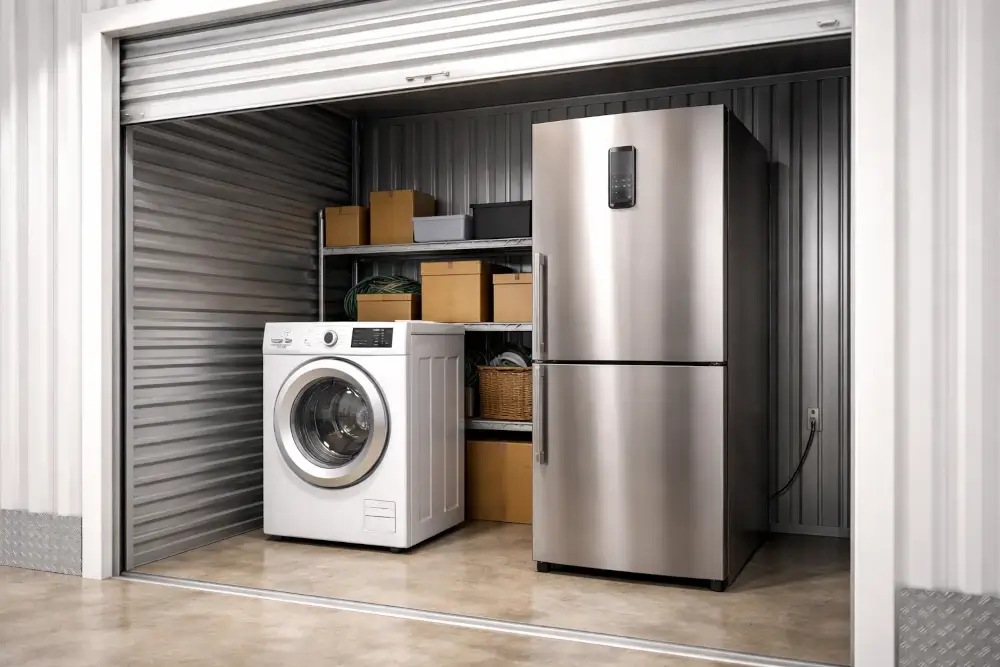
Table of contents
- Decide which appliances should be stored
- Preparing appliances for packing
- Packing large appliances
- Packing small appliances
- Label everything and create an inventory list
- Moving the appliances
- Storing appliances upright and off the floor
- Safety tips for moving and storing appliances
- Hiring professional movers for appliance relocation
- Conclusion
Decide Which Appliances Should Be Stored
Before packing anything, assess what genuinely needs to go into storage.
Appliances that store well include:
-
Fridge-freezers
-
Washing machines and dishwashers
-
Microwaves
-
Ovens and cookers
-
Small appliances (kettles, mixers, coffee machines)
If an appliance is very old or rarely used, it may be more cost-effective to replace it later than to pay for long-term storage and then dispose of it once you move out of storage.
Preparing Appliances for Packing
Proper preparation is key because appliances are often costly to replace, and they can be easily damaged if mishandled. When using our London removals and storage service, our removals crew will do all preparations and protection. If you planning to do it yourself with a few extra steps, you can ensure they stay in good condition throughout the moving and storage process.
Cleaning the Appliances
Cleaning your appliances thoroughly before packing is crucial to prevent odors, mold, and insect attraction. For refrigerators and freezers, defrost them and clean with baking soda to eliminate any lingering smells. Washing machines should have an empty cycle with white vinegar or bleach to clean the interior components.
Ovens and stoves should be cleaned thoroughly to remove grease and food remnants. Use a specialized cleaner or baking soda for stubborn stains. Taking the time to clean each appliance will help avoid any surprises when unpacking.
Disconnecting and Disassembling Appliances
Before packing, ensure all appliances are disconnected from power and water sources. Unplug electrical items, turn off the water supply to washing machines, and remove detachable parts like shelves, trays, and drawers. Packing these parts separately will help prevent damage during the move.
Securing Loose Parts and Doors
Secure doors with tape to prevent them from swinging open during transit. For washing machines, use transit bolts to minimize movement of internal parts, which can help avoid costly repairs.
Packing Large Appliances
Refrigerators and Freezers
Fridge-freezers require extra care.
-
Defrost completely
-
Dry all internal surfaces
-
Remove shelves and drawers (wrap separately)
-
Leave doors slightly open to prevent mould build-up
-
Secure doors loosely (do not seal shut)
If stored long term, avoid laying fridges flat unless the manufacturer’s guidance allows it.
Washing Machines and Dryers
These appliances retain water internally.
-
Drain hoses completely
-
Clean filters
-
Secure drums using transit bolts (if available)
-
Keep hoses inside the drum or taped securely
Failure to drain water can lead to internal corrosion or freezing damage.
Ovens and Stoves
Ovens and stoves should be cleaned thoroughly, paying special attention to grills and fans. Remove trays and pans and pack them separately. Secure the door with tape and wrap the appliance to prevent any damage during transit.
Packing Small Appliances
Cleaning and Preparing Small Appliances
Small appliances like microwaves, blenders, and toasters should be cleaned thoroughly before packing. Make sure each appliance is dry to avoid moisture damage during storage.
Packing in Original Boxes
If you still have the original boxes, use them for packing as they provide the best protection. Alternatively, wrap each appliance in high-quality bubble wrap and place them in sturdy boxes.
Organizing and Labeling
Pack multiple small appliances into larger boxes for easier handling. Label each box clearly with its contents to make unpacking easier. Secure microwave doors or other moving parts to prevent accidental opening.
Label Everything and Create an Inventory List
Label boxes and appliances clearly so they’re not mishandled. You might keep the items in short-term storage and get them back within a week, but things might change, and your short-term storage might become a long-term investment. It will be much quicker to find everything you need.
Include:
-
“This way up”
-
“Fragile”
-
Appliance name and condition
Keeping an inventory helps with retrieval and insurance records.
Moving the Appliances
Using Proper Equipment
Large appliances are heavy, and using proper equipment can make a significant difference. Use dollies, furniture sliders, and moving straps to handle these items safely, minimizing the risk of injury and damage.
Securing Appliances for Transport
Once the appliances are loaded, secure them using moving straps or bungee cords to prevent shifting. Cover them with furniture pads or blankets to avoid dents and scratches. Keeping refrigerators upright is especially important to prevent compressor damage.
Check also: How to pack electronics for moving?
Store Appliances Upright and Off the Floor
Large kitchen appliances should always be stored in their upright position, unless the manufacturer specifically states otherwise. Storing items such as fridge-freezers, washing machines, or dishwashers on their side can cause internal fluids to shift, increasing the risk of mechanical or electrical damage over time.
Appliances should also be kept slightly raised from the floor, using pallets or protective bases. This prevents exposure to damp, condensation, or minor flooding, which are common causes of long-term damage in storage environments.
Leaving space around each appliance allows air to circulate, reducing the chance of trapped moisture and musty odours developing during extended storage. Proper positioning helps preserve internal components and ensures appliances remain in good working condition when removed from storage.
Safety Tips for Moving and Storing Appliances
Avoiding Common Mistakes
One common mistake is not cleaning appliances before packing, which can lead to odors and mold. Another is leaving water in washing machines, which can freeze and cause damage during winter storage.
Insurance Considerations
Ensure your appliances are insured for their full replacement value during moving and storage. Proper packing can help when filing insurance claims in case of damage.
Check also: How to store vinyl records?
Hiring Professional Movers for Appliance Relocation
Benefits of Professional Help
Hiring professional movers can be beneficial for moving appliances, especially large and heavy items. Professionals have the right tools and experience to handle appliances safely, and they offer insurance for added peace of mind.
Movivan Removals Services
Movivan Removals offers expert moving and storage solutions in London. Our team uses specialized equipment to ensure the safe transport and storage of your appliances, providing you with a hassle-free experience.
Conclusion
Storing kitchen appliances properly protects your investment and ensures everything works when you need it again. Clean thoroughly, pack carefully, store upright, and choose the right storage environment — especially for long-term storage.
A little preparation now prevents costly repairs or replacements later.
Need help storing kitchen appliances safely? We offer professional collection, careful packing, and secure short- and long-term storage solutions.
Get in touch for a free, no-obligation quote.
Email: office@movivanremovals.co.uk
Tel: 020800 33260